Every month, I get dozens of messages on Instagram from parents, grandparents, and caregivers who’ve just heard the words “agenesis of the corpus callosum (ACC)” for the first time. Some are moms still pregnant, scared about what’s ahead. Others are grandparents wanting to know what life might look like for their grandchild.
This is our story—not because it’s the only story, but because it’s ours. My daughter, Lillie, is seven, and she was born with agenesis of the corpus callosum. Around here, we call it her “race car brain”—because it works differently, but it’s powerful, fast, and uniquely hers.
Our Beginning
When you first hear “agenesis of the corpus callosum,” it feels heavy and medical. Doctors talk about missing structures and developmental unknowns, and suddenly you’re staring at scans instead of seeing your child. I remember feeling both overwhelmed and under-informed. Would she walk? Would she talk? Would she thrive?
What I’ve learned over seven years is this: ACC is part of her story, but it’s not the whole story. And while her brain is wired differently, it’s also remarkable in the ways it compensates, adapts, and grows.
Why “Race Car Brain”?
From the beginning, we knew we wanted to give Lillie language that felt empowering, not limiting. We tried on “magic brain” for a while, but she prefers “race car brain.” And honestly, it fits.
A race car brain is fast, creative, and capable of taking unexpected routes. But like a race car, it needs pit stops, special equipment, and extra maintenance to stay on the track. Some days she’s zooming along, weaving through challenges with wit and humor. Other days, her engine overheats, her tires wear thin, finds herself in a traffic jam, and she needs to pull off the road for a while.
It’s a metaphor that helps her understand herself—and helps us explain her unique wiring to others.
The Pitcher of Water
One of the ways we talk about her daily life to others is through the “pitcher of water” analogy. Every morning, if she’s slept well (which is not a guarantee), she wakes up with a full pitcher. That water represents her patience, energy, and emotional reserves for the day.
But throughout the day, little things splash water out:
- Forgetting her water bottle in Dad’s truck.
- Getting interrupted in class.
- Losing five minutes of recess because the whole class was talking.
- Being reminded to raise her hand when she blurts out a brilliant idea.
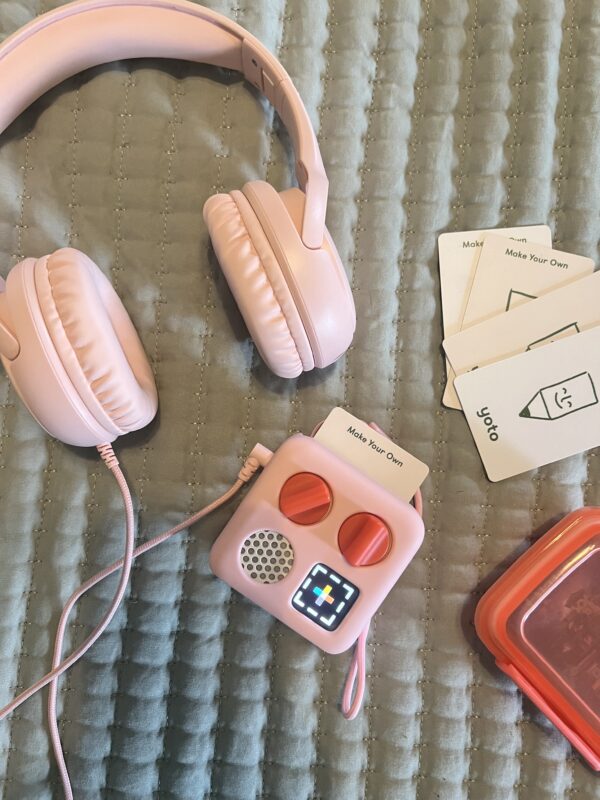
Each moment seems small, but they add up. Then comes lunch, where the cafeteria noise overwhelms her sensory sensitivities. Maybe she refuses her headphones because she doesn’t want to look different, or maybe she thinks a classmate said something about her. More water splashes out. By the time she gets to the afternoon, her pitcher is already low.
And when that pitcher runs empty, meltdowns happen.
Not tantrums. Meltdowns. They can last 45–90 minutes. They can look like screaming, crying, kicking, and throwing. They’re exhausting for her and for us. But they’re also her brain’s way of saying: I’m empty. I can’t cope anymore.
The hardest part? When it’s over, she’s fine. She acts like nothing happened, while the rest of us are still standing in the wreckage, catching our breath and like we've experienced some sort of whiplash.
Who She Is at Seven
But here’s the other truth: most people would never guess she has a disability.
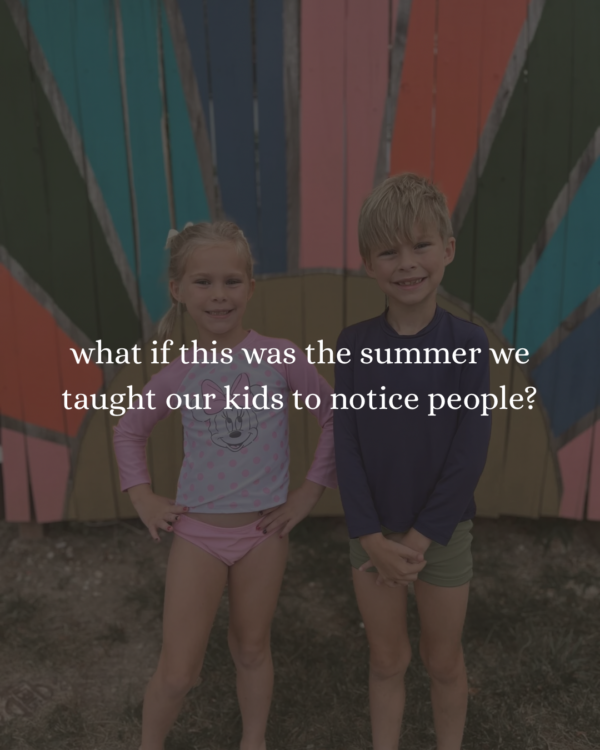
If you meet her on the playground, she’s the kid cracking jokes, keeping up with softball, maybe a little shy at times, crafting masterpieces at the art table, or riding her bike full speed down the block. She’s witty, quick, and funny. She’s obsessed with Taylor Swift and this summer she couldn’t stop talking about K-pop Demon Hunters. She’s a little fashionista who’s been in coordinated Halloween outfits since Starbucks released pumpkin spice.
She’s resilient. She’s determined. She’s her own person.
And that’s why I keep sharing—because when parents first hear “ACC,” they often picture limitations. What I want them to see is possibility.
The Balance We Live In
Lillie’s race car brain means she’s both high-functioning and uniquely challenged. That balance is tricky. She blends in so well that it’s easy to forget she has a disability—until something reminds us. The meltdown. The forgotten word. The anxiety spiral at bedtime.
But she’s also proof that ACC doesn’t define the whole child. It’s part of her story, not the whole story.
And that’s why I keep writing. For the parent who’s searching late at night, desperate to know what life looks like after the diagnosis. For the grandparent who wants to understand. For the family who needs to see that while there are hard days, there are also so many joyful ones.
If you’re new here because agenesis of the corpus callosum has become part of your story, welcome. You’re not alone. Our path isn't perfect, but it's filled with laughter resilience and love and there's so much life beyond the diagnosis.
I’ve written more about our life with ACC—the joys, the struggles, and everything in between. You can find all of those posts here. If you are new to disorders of the corpus callosum, I also recommend checking out the NODCC's website or on Facebook. The NODCC is an amazing resource—they host webinars, have a large and supportive Facebook community, and hold conferences to learn more about the diagnosis, ongoing research, and to connect families together.
Because a race car brain doesn’t mean a broken brain—it means a different kind of magic. ✨