Every month, I get dozens of messages on Instagram from parents, grandparents, and caregivers who’ve just heard the words “agenesis of the corpus callosum (ACC)” for the first time. Some are moms still pregnant, scared about what’s ahead. Others are grandparents wanting to know what life might look like for their grandchild.
This is our story—not because it’s the only story, but because it’s ours. My daughter, Lillie, is seven, and she was born with ACC. Around here, we call it her “race car brain”—because it works differently, but it’s powerful, fast, and uniquely hers.
Starting School With a Plan
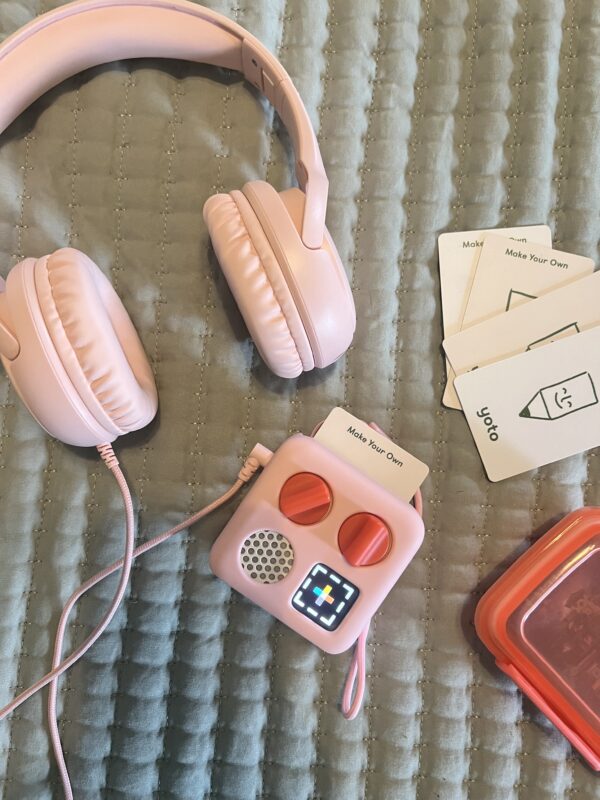
When Lillie moved to public school in first grade, we went in with a 504 plan already in place. We knew she needed extra support for her sensory sensitivities and for what therapists call a “sensory diet.” Her plan included things like calm corners in the classroom, breaks to visit various adults in the building, and tools like headphones.
She quickly latched onto these supports. The calm corner became her safe space. Visiting staff members throughout the day gave her little resets. And the visual schedule taped to her desk was a lifeline—helping her know what subject was next and grounding her in the predictability she craves.
But even with those tools, there were challenges. Headphones were one of the hardest. She knew she needed them in noisy places like the cafeteria, but she hated looking different. We had to talk a lot about how tools don’t make you “less than.” They make you strong. They help you succeed. It’s a lesson we’re still learning together.
The Reading Struggles
Midway through first grade, we started noticing cracks in her learning—especially in reading. Anything phonetic, she could repeat. But sight words and less concrete words slipped away almost immediately.
We’d say a word three or four times. She’d parrot it back with confidence. But by the time we turned the page, it was gone. This wasn’t just forgetfulness—it was her brain struggling to hold onto information that wasn’t tied to clear, rote patterns.
By second grade, she had started saying something that broke my heart: “I can’t read. I’ll never be able to read.”
That’s where ACC gets messy—because sometimes it’s a true struggle, and sometimes it’s a crutch. She’ll use that phrase as a shield to avoid trying, especially when she’s tired or frustrated. And as a parent, it’s agonizing not always knowing what’s genuine struggle and what’s avoidance.
That gray line is one of the most difficult parts of raising a child with a race car brain.
The Gray Line of Manipulation
Manipulation is a word that can feel harsh when we’re talking about kids, but it’s something that shows up a lot in ACC.
Even at seven, Lillie knows how to “play the game.” She’ll say, “My brain is busy, so I don’t need to apologize,” or “I don’t remember, so it doesn’t count.” She’s smart, witty, and deeply aware of how to bend the rules in her favor.
But here’s the truth: it’s not always intentional. It’s not her being “bad.” It’s part of how her brain processes stress, expectations, and accountability. She genuinely forgets sometimes. And sometimes she leans into that forgetfulness as a way to avoid discomfort. It’s a constant balancing act for us to figure out which is which.
Layer in her borderline Oppositional Defiance Disorder (ODD) diagnosis, and things get even trickier. Conversations that are casual for most families have to be carefully structured for us.
For example, if I ask, “Did you get dressed yet?” she’ll glance down at her pajamas and snap back, “Well, duh, of course not.” To her, it feels like an accusation. But if I say, “Remember your list,” she’ll go grab her checklist and start working through brush teeth, get dressed, eat breakfast.
The way we phrase things matters. A checklist empowers her. A casual question drains her pitcher of water before the day even starts.
Advocacy in the Classroom
Academically, we’ve now moved from a 504 plan to an IEP to address not just sensory needs but also learning challenges. And as any parent of a neurodivergent child knows, advocating for your child in the school system is a marathon, not a sprint.
We’ve had to explain ACC again and again, reminding teachers that just because she looks “fine” doesn’t mean she’s not struggling. We’ve had to push for evaluations, extra services, and creative accommodations. Some days I feel like the squeaky wheel. Other days, I feel like her translator—helping others understand what’s going on beneath the surface.
And the truth is, I don’t always know either. That’s the hardest part. Sometimes I’m left asking: is this her disability, or is this her being seven?
Where She Thrives
For all her struggles, Lillie thrives in structure. She loves routines, visual schedules, planners, and knowing what’s next. She thrives with teachers who see past the surface and take the time to understand her.
And she thrives in her own little victories. The day she remembers a sight word she used to forget. The moment she chooses to put on her headphones, even when she feels self-conscious. The times she beams with pride because she checked everything off her morning list.
Those moments remind me that progress doesn’t always look like a straight line. Sometimes it’s measured in tiny steps forward, even if they’re followed by steps back.
If you’re new here because ACC has become part of your story, welcome. You’re not alone.
I’ve written more about our life with ACC—the joys, the struggles, and everything in between. You can find all of those posts here. If you are new to disorders of the corpus callosum, I also recommend checking out the NODCC's website or on Facebook. The NODCC is an amazing resource—they host webinars, have a large and supportive Facebook community, and hold conferences to learn more about the diagnosis, ongoing research, and to connect families together.
Because a race car brain doesn’t mean a broken brain—it means a different kind of magic. ✨